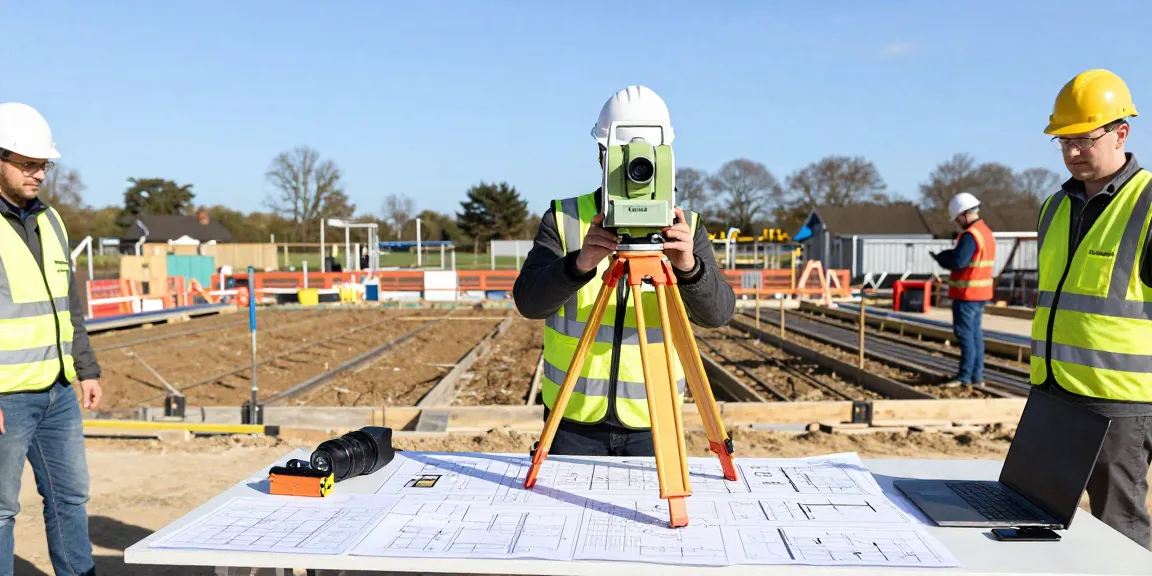
Understanding Site Engineering Setting Out in Surrey
Site engineering setting out is a critical process in construction that ensures the precise positioning and dimensions of buildings, roads, and utilities are established according to design plans. In Surrey, where construction projects range from residential developments to complex commercial sites, the expertise of site engineers is invaluable. Their ability to translate architectural drawings into physical markers on the ground lays the foundation for successful construction practices. When exploring options, Site Engineering Setting Out Surrey provides comprehensive insights into these essential services.
What is Site Engineering Setting Out?
Site engineering setting out refers to the systematic process of establishing the exact positions and dimensions of proposed structures on a construction site. This involves transferring design specifications onto the ground to guide construction teams effectively. Site engineers utilise a variety of techniques and instruments to ensure that all elements align accurately with the intended plans. The meticulous nature of setting out strives to minimise errors and ensure that construction progresses smoothly, adhering to both timelines and budgets.
The Importance of Accurate Measurements in Construction
Accurate measurements are pivotal in construction as they directly impact the quality and safety of the built environment. A minor error in setting out can lead to significant issues down the line, including structural misalignments and costly reworks. Moreover, precise measurements support effective project management by enabling teams to work within the parameters of the project design, thus improving efficiency and reducing waste.
Key Objectives of Setting Out Engineers
- Positioning Structures: Identifying and marking out the locations of buildings, roads, and other infrastructure as per the plans.
- Aligning and Leveling: Ensuring that structures are correctly aligned and levelled, providing a trustworthy foundation.
- Checking Dimensions: Verifying all measurements against design specifications to ensure compliance with architectural intents.
- Controlling Levels and Gradients: Establishing levels for drainage, roads, and other features to ensure functionality and adherence to design criteria.
- Quality Control: Facilitating early detection of discrepancies to maintain construction standards throughout the project.
Tools and Techniques in Site Engineering Setting Out
Essential Surveying Equipment for Setting Out
To carry out their tasks effectively, site engineers rely on advanced surveying equipment. Essential tools include:
- Total Stations: Used for measuring angles and distances to accurately determine positions on site.
- Theodolites: Essential for aligning and measuring horizontal and vertical angles.
- Levels: Employed to establish and check the horizontal plane over the site.
- GPS Equipment: Utilised for high-precision positioning tasks.
- AutoCAD Software: Allows for the creation and modification of design drawings that engineers can refer to on-site.
Techniques Used by Setting Out Engineers
Setting out engineers employ various techniques to execute their responsibilities effectively. These include:
- Triangulation: A method used to determine the location of a point by measuring angles from known points.
- Grid Systems: Establishing a grid layout helps in accurately positioning multiple points across a site.
- Leveling Techniques: Using both traditional and modern methods to ensure all levels on site are correct to prevent drainage issues.
Comparison of Traditional vs Modern Technology
The field of site engineering has evolved considerably, with traditional techniques being supplemented by modern technology. Traditional methods, while effective, often require more time and manual measurement. In contrast, modern tools like robotic total stations and GPS significantly enhance accuracy and reduce the time needed to set out complex sites. These advancements lead to increased efficiency and the ability to handle larger projects with greater precision.
Best Practices for Effective Site Engineering Setting Out
Steps for Effective Positioning and Alignment
To achieve effective positioning and alignment, site engineers should follow structured steps:
- Preparation: Review design plans thoroughly and prepare site-specific layouts.
- Establish Reference Points: Set out key reference points to guide further measurements.
- Check Measurements: Reconfirm all distances and angles before proceeding to mark.
- Mark Clearly: Use durable materials to mark locations on-site to ensure visibility throughout the project.
- Continuous Collaboration: Maintain open lines of communication with construction teams to verify that all work aligns with the set out markers.
Safety Considerations on Construction Sites
Safety is paramount when conducting site engineering setting out. Engineers must adhere to health and safety regulations, ensuring that all equipment is in good working order and that safety protocols are followed. Personal protective equipment (PPE) should be worn at all times, and awareness of surroundings is crucial to prevent accidents.
Common Mistakes and How to Avoid Them
Common pitfalls in site engineering can include:
- Inaccurate Measurements: Always double-check measurements to avoid costly errors.
- Poor Communication: Ensure that all team members are on the same page regarding project goals.
- Lack of Documentation: Maintain detailed records of all setting out marks and measurements for future reference and quality control.
Challenges in Site Engineering Setting Out
Dealing with Unforeseen Site Conditions
Construction sites can be unpredictable, with unforeseen conditions such as rocky soils or hidden utility lines presenting challenges. Site engineers must be adaptable and prepared to adjust their setting out methods as needed. This may involve utilising alternative equipment or altering project timelines to accommodate necessary changes.
Impact of Weather on Setting Out Accuracy
Weather conditions can affect the accuracy of setting out. Heavy rain, snow, or strong winds can obscure reference points or make visibility difficult. Site engineers should monitor weather forecasts closely and plan their work accordingly, possibly scheduling setting out activities during more favourable conditions.
Managing Project Timelines and Expectations
Timely completion of setting out tasks is crucial for keeping construction schedules on track. Regular updates with project managers and stakeholders are essential to managing expectations and ensuring that any delays are communicated promptly and effectively.
The Future of Site Engineering Setting Out
Emerging Technologies and Innovations
The field of site engineering continues to evolve with the introduction of emerging technologies such as Building Information Modelling (BIM) and augmented reality (AR). These innovations provide enhanced visualisation tools that help engineers plan and execute their tasks with greater accuracy and efficiency.
Predictions for Site Engineering in 2026
Looking ahead to 2026, the integration of automated systems and artificial intelligence in site engineering is expected to streamline workflows and improve accuracy. This shift will likely lead to reduced labour costs and improved project outcomes, as technology takes over more repetitive and precision-demanding tasks.
How Continuing Education Can Enhance Skills
With the rapid development of new technologies, ongoing education is essential for site engineers. Training programs and certifications can help professionals stay updated with the latest tools and techniques, ensuring they remain competitive in the evolving landscape of construction.
What is Site Engineering Setting Out in 2026?
In 2026, site engineering setting out will likely involve even greater reliance on accurate data collection and analysis. As technology advances, the role of the setting out engineer will evolve to include more strategic planning and integration with overall project management, leading to enhanced efficiency and better project delivery.