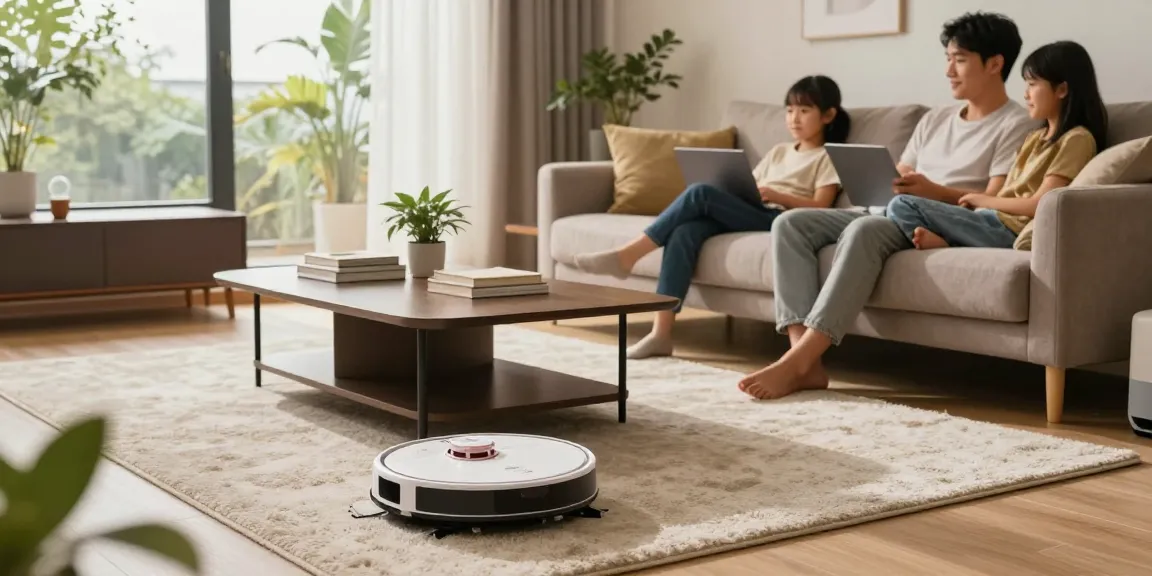
Understanding the Robot Vacuum Landscape in 2026
The realm of home cleaning has undergone a significant transformation over the past decade, with robot vacuums leading the charge. As we step into 2026, these autonomous machines are more than just gadgets; they have become essential household companions that combine technology, efficiency, and user-friendliness. In this article, we will explore the current landscape of robot vacuums, focusing on their evolution, key features, and the exciting innovations that are shaping the market. For those looking to delve deeper into options available in the robot vacuum 2026, we will provide valuable insights and recommendations to ensure you make an informed purchase.
The Evolution of Robot Vacuums
Since their introduction, robot vacuums have evolved dramatically. Initially, these devices were basic, often struggling with uneven surfaces and complex layouts. However, advancements in technology have equipped modern robot vacuums with sophisticated sensors, machine learning algorithms, and powerful suction capabilities. Brands like iRobot, Roborock, and Ecovacs have been at the forefront, consistently enhancing their product lines to meet consumer demands.
Today, robot vacuums are designed not just for cleaning but for integrating smoothly into smart home ecosystems. They can be controlled via smartphones, respond to voice commands, and even collaborate with other devices to optimize cleaning tasks. The transition from luxury items to household essentials marks a pivotal point in the evolution of these products.
Key Features to Look For in 2026
As the market becomes saturated, identifying the right robot vacuum can be a daunting task. Here are some essential features that consumers should prioritize in 2026:
- Smart Navigation: Advanced models employ LIDAR scanning and mapping technology to navigate efficiently around obstacles, making them suitable for various home layouts.
- AI Integration: Many new models feature AI capabilities that allow them to learn cleaning patterns, optimizing routes over time for maximum efficiency.
- Multi-Surface Cleaning: The ability to transition seamlessly between hard floors and carpets is crucial. Look for models that can adjust suction power based on the surface type.
- Self-Emptying Bins: This convenience feature allows users to maintain their vacuums with minimal effort, reducing the frequency of manual emptying.
- App Connectivity: Smartphone applications enhance user experience, enabling remote control, scheduling, and cleaning reports.
Comparing Popular Models: What’s New?
In 2026, the competition among robot vacuum brands has intensified, leading to innovative products that cater to a wide range of consumer preferences. Notable models include:
- iRobot Roomba J7+: Known for its exceptional navigation capabilities and smart home integration, the J7+ adapts to your home’s layout efficiently.
- Roborock Q5+: With powerful suction and the added convenience of a self-emptying dock, this model stands out for its performance on various surfaces.
- Ecovacs Deebot X1 Omni: This versatile vacuum not only cleans but also mops, offering a comprehensive cleaning solution with advanced AI features.
Choosing the Right Robot Vacuum for Your Home
Investing in a robot vacuum can significantly simplify your cleaning routine, but selecting the right one requires careful consideration. Here are some factors to help guide your decision:
Assessing Your Cleaning Needs and Space
Different homes come with varying requirements. If you have a large space with carpets, you may need a model with strong suction and advanced mapping capabilities. On the other hand, smaller homes or apartments might benefit from a more compact, budget-friendly option. Consider your cleaning habits, the size of your home, and the types of debris you typically deal with, such as pet hair or dust.
Budgeting for a Robot Vacuum: What to Expect
Prices for robot vacuums can range from under $200 to upwards of $1,000, depending on features and brand reputation. It’s essential to set a budget while keeping in mind that investing in a higher-quality model may yield better long-term results. Analyze the features you need in relation to your budget to find a model that fits your financial and functional requirements.
Reviews of Top-Rated Robot Vacuums in 2026
When researching robot vacuums, consumer reviews can provide invaluable insights. Popular tech review sites and user forums often share hands-on experiences, highlighting the pros and cons of various models. Look for robots with positive feedback regarding durability, suction power, and customer service experiences. Understanding how a product has performed for others can significantly influence your purchasing decision.
Smart Features in Robot Vacuums: A Deeper Dive
Modern robot vacuums are equipped with numerous smart features that enhance the cleaning experience. Let’s delve into some of the most impactful:
Integration with Smart Home Ecosystems
Many new robot vacuums can integrate seamlessly with smart home systems like Amazon Alexa or Google Assistant. This feature allows users to control their vacuums using voice commands, setting schedules, and even tracking cleaning history. Integration not only enhances convenience but also adds a layer of sophistication to home management.
How AI is Changing Robot Vacuum Operations
Artificial intelligence is revolutionizing the efficiency of robot vacuums. With AI, these devices can learn the layout of your home, adapt cleaning strategies based on real-time data, and even improve their performance over time. For instance, an AI-equipped vacuum can recognize frequently dirty areas and prioritize them during cleaning cycles.
Advanced Navigation and Mapping Technologies
Technological advancements in navigation have made robot vacuums smarter and more efficient. Many top-tier models now include LIDAR technology that maps your home in real-time, allowing them to navigate complex layouts and avoid obstacles effectively. This technology also enables features like “no-go” zones, where users can designate areas that should be avoided during cleaning.
Maintenance and Care for Optimal Performance
To ensure the longevity and efficiency of your robot vacuum, regular maintenance is crucial. Here are some essential care tips:
Cleaning and Troubleshooting Your Robot Vacuum
Keep your robot vacuum in top condition by regularly emptying the dustbin, cleaning filters, and checking for tangled hair on brushes. Most models come with user-friendly guides that outline maintenance protocols. Following these guidelines will enhance performance and prolong the lifespan of your device.
Extending the Lifespan of Your Device
To extend the lifespan of your robot vacuum, consider investing in additional accessories like spare filters, brushes, and batteries. Regularly replacing these components as needed will ensure your vacuum operates at maximum efficiency. Additionally, storage is vital; always place your vacuum dock in a clean, dry location when not in use.
Common Issues and How to Solve Them
Like any appliance, robot vacuums can encounter issues such as poor navigation, weak suction, or connectivity problems. Most common problems can be resolved through troubleshooting guides provided by manufacturers. Ensure that your vacuum’s software is up to date, as updates can fix bugs and improve overall performance.
The Future of Robot Vacuums: Trends and Predictions
As we look ahead to the future of household cleaning, several trends and innovations are on the horizon:
What to Expect in the Next Few Years
Future robot vacuums are likely to incorporate even more sophisticated AI, allowing them to form better cleaning patterns and improve obstacle recognition. Enhanced connectivity features will facilitate better integration within smart homes, making cleaning even more convenient.
Innovations on the Horizon: CES Insights
The Consumer Electronics Show (CES) is a key venue for unveiling the latest in robot vacuum technology. Expect to see advancements such as improved mopping functions, self-cleaning capabilities, and enhanced energy efficiency. Manufacturers are also exploring how to make robot vacuums quieter while maintaining strong suction power.
Consumer Feedback and Industry Developments
Consumer preferences are driving the evolution of robot vacuums. Brands that listen to user feedback and adapt their products accordingly will likely dominate the market. Features such as enhanced durability, better customer support, and tailored cleaning modes are increasingly popular among consumers.
Can robot vacuums really replace traditional cleaning?
While robot vacuums offer a level of convenience that can significantly reduce the need for manual cleaning, they are unlikely to entirely replace traditional cleaning methods. However, they can effectively supplement regular cleaning routines by maintaining cleanliness between thorough cleans. Understanding the limitations of robot vacuums while maximizing their strengths is key to an efficient home cleaning strategy.
How do robot vacuums handle pet hair?
Many modern robot vacuums are designed with pet owners in mind. They often come with specialized brushes and powerful suction capabilities to handle pet hair efficiently. It’s recommended to choose a model specifically rated for pet hair if you have furry companions at home, as these models typically feature tangle-free brushes and high-efficiency filters.
Are robot vacuums worth the investment in 2026?
For those seeking convenience or managing busy households, the investment in a robot vacuum is generally justified. Models available in 2026 offer advanced features and improved functionality that enhance their value. It’s advisable to assess your cleaning needs and lifestyle when determining whether a robot vacuum will be a worthwhile investment for your home.